EMCR Symposium

The recording of this webinar is available to ISFTD Members. Not a member? Join today!

On behalf of the ISFTD EMCR committee, we would like to thank you for your participation in our annual online symposium showcasing the latest work of students and early-mid career researchers in the field. This online event offered EMCRs the opportunity to promote their latest research developments and techniques and engage with EMCRs in the FTD and related disorders ahead of the annual ISFTD in-person conference. We had an exciting line-up of internationally renowned guest speakers, short talks, and datablitz’ from EMCRs, as well as prizes for best-rated talks.

The symposium took place April 14 – 16, 2026.

Download the program book.

The aim of this symposium was to highlight students and EMCRs working in FTD, and to offer a platform for emerging researchers to present their work ahead of the annual in person conference.

Keynote Speakers

Tuesday, April 14, 2026

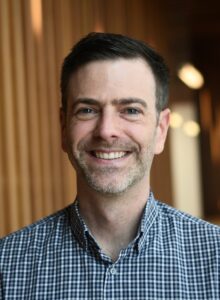
What Population-Based Real-World Data Reveal About Frontotemporal Dementia

Dr. Eino Solje

Population-based real-world data are reshaping how we understand FTD. This talk highlights novel evidence showing that sociodemographic factors and even premorbid behaviors, such as criminality, may precede clinical onset—opening new possibilities for earlier recognition of FTD.

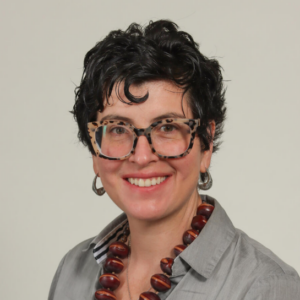
Lighting the Path(ology): Inflammation Brain-body Cross-talk in Frontotemporal Dementia – A Multimodal Perspective

Dr. Maura Malpetti

This talk will highlight how multi-tracer PET, blood-based biomarkers and post-mortem pathology together “light up” inflammatory signatures across brain and body in people with frontotemporal dementia and related conditions. I will show how these multimodal markers track symptom progression, interact with proteinopathies and neurodegeneration, and help to disentangle heterogeneous disease trajectories. Finally, I will discuss how defining individual inflammatory “fingerprints” could enable smarter trial design and personalised immunomodulatory strategies for people living with frontotemporal dementia.

Wednesday, April 15, 2026

Frontotemporal Dementia: Priorities for clinical research in the Global South

Dr. Suvarna Alladi

Emerging research on Frontotemporal dementia has advanced our understanding of disease neurobiology and clinical manifestations across diverse contexts. This talk will focus on advances in diagnosing FTD across cultural, linguistic, educational, and ethnic contexts. Differences in clinical manifestations, complexity of genetic diagnosis and opportunities for research to fill these critical gaps will be discussed.

Modernising FTD Assessment: Improving Brief Cognitive Measures for Better Detection, Subtyping, and Disease Monitoring

Dr. David Foxe

In this talk, David will make the case that brief cognitive screening remains important for dementia assessment and clinical management. He will outline how advances in statistical and machine‑learning methods open up opportunities to develop smarter, interactive tools for analysing patient cognitive data. David will present his Addenbrooke’s Cognitive Examination‑III (ACE‑III)–based tools, which i) improve detection of non‑Alzheimer dementia presentations compared with healthy ageing, and ii) differentiate the primary progressive aphasia variants and typical Alzheimer’s disease using item‑level ACE‑III performance profiles. He will conclude with a discussion of their clinical utility and limitations.

Thursday, April 16, 2026

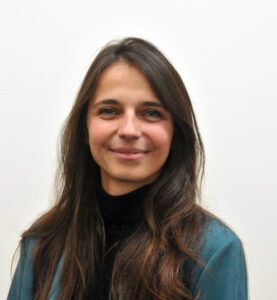
Navigating an Evolving FTD Landscape: Scientific Frontiers, Collaboration, and Career Choices for Early Investigators?

Dr. Lea Grinberg

Drawing on her extensive work in neuropathology, tau biology, and population-based brain banking, Dr Grinberg will share insights into emerging scientific directions in FTD, the importance of collaboration, and practical perspectives on career development for early investigators working in this rapidly evolving field.

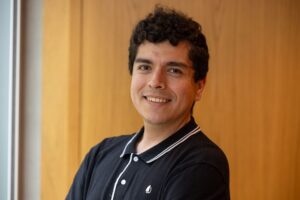
Social Determinants and Biological Embedding in Frontotemporal Lobar Degeneration

Dr. Joaquin Migeot

Social determinants of health are well established contributors to dementia risk, particularly in Alzheimer’s Disease, yet their role in FTLD remains poorly understood and with mixed results. Compared with other dementias, FTLD differs in its earlier age of onset, stronger genetic contribution, and preferential involvement of socioemotional brain networks. This suggests that social adversity may influence FTLD through mechanisms distinct from those typically proposed for Alzheimer’s disease. Chronic social stress may contribute to FTLD vulnerability through allostatic overload, particularly affecting interoceptive–allostatic brain systems involved in homeostatic and emotional regulation. This presentation will highlight the need to integrate social determinants, biological embedding, and network vulnerability to better understand how social adversity may shape the risk and expression of FTLD.