
This webinar took place on Wednesday, February 25, 2026.

The recording of this webinar is available to ISFTD Members.
Please click the button below to log in. Not a member? Join today!
Join us for an exciting webinar showcasing how human stem cell–based models are advancing frontotemporal dementia (FTD) research. This session will focus on induced pluripotent stem cells (iPSCs) and brain organoid models to study FTD pathology, uncover disease mechanisms, and better capture human-specific aspects of neurodegeneration. Speakers will present complementary approaches using human iPS cells and organoid systems, highlighting how these models are opening new avenues for understanding FTD and accelerating therapeutic discovery.
Program
– Opening remarks by moderators Drs. Maxime Montembeault and Elise Marsan
– Brain Organoids: A Human Cell Model To Develop Drugs for Frontotemporal Dementia FTD-tau – Dr. Sally Temple
– Using iNeurons to Study mRNA Transport and Local Translation Defects in FTD – Dr. Veronica H. Ryan
– Deciphering the mechanisms of C9orf72 mutations in FTD/ALS using human neuro-immune cortical assembloids – Dr. Morwena Latouche
– Q&A led by moderators
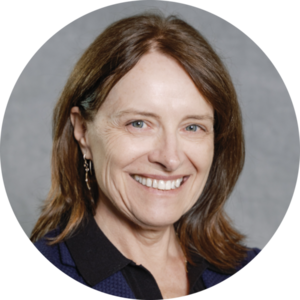
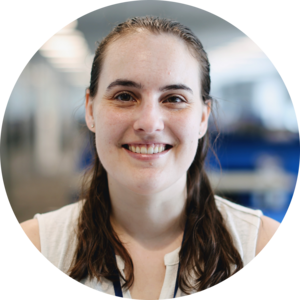
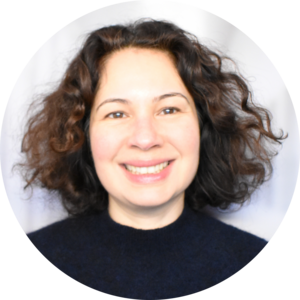
Sally Temple, USA
Veronica Ryan, USA
Morwena Latouche, France
Sally Temple
Dr. Sally Temple received her undergraduate degree in developmental neuroscience from Cambridge University and her PhD from University College London, and made a seminal contribution to identifying stem cells in the embryonic mammalian central nervous system. She is the Scientific Director of the Neural Stem Cell Institute, a MacArthur Fellow, a former President of the International Society for Stem Cell Research, and an elected member of the National Academy of Medicine. Her research focuses on stem cell roles in CNS development, repair, and disease, including patient-derived models and translational therapies for tauopathies.
Veronica Ryan
Veronica completed her PhD in Neuroscience at Brown University where she studied the effects of a neurodegeneration-associated mutation in an RNA binding protein. She completed her postdoc at the National Institutes of Neurological Disorders and Stroke where she used iPSC-derived neurons to study TDP-43 biology and local translation. She then transitioned to be an Independent Scholar at the Center for Alzheimer’s and Related Dementias, National Institute on Aging where she is using iPSC-derived neurons studying the effect of FTD-associated mutations in RNA binding proteins on mRNA transport and local translation.
Morwena Latouche
Dr. Morwena Latouche is an Associate Professor at the Paris Brain Institute studying the molecular and cellular mechanisms underlying frontotemporal lobar degeneration (FTLD) and amyotrophic lateral sclerosis (ALS). Her research focuses on genetic FTLD/ALS linked to GRN and C9ORF72 mutations and TDP-43 pathology. She investigates functional links between C9ORF72 and progranulin in neurons and microglia to uncover shared disease pathways. Her work places particular emphasis on neuron–microglia interactions in disease. She develops patient-derived iPSC and neuro-immune cerebral organoid models to study pathogenic mechanisms in human systems.