EMCR Symposium

On behalf of the ISFTD EMCR committee, we would like to welcome you to our annual online symposium showcasing the latest work of students and early-mid career researchers in the field. This online event offers EMCRs the opportunity to promote their latest research developments and techniques and engage with EMCRs in the FTD and related disorders ahead of the annual ISFTD in-person conference. We have an exciting line-up of internationally renowned guest speakers, short talks, and datablitz’ from EMCRs, as well as prizes for best-rated talks. 

The symposium will take place April 14 – 16th, 2026 online:

Tuesday 14th April: 9am – 12pm (UTC UTC +3)
Wednesday 15th April: 9am – 12pm (UTC +5:30)
Thursday 16th April: 9am – 12pm (UTC – 4)

The aim of this symposium is to highlight students and EMCRs working in FTD, and to offer a platform for emerging researchers to present their work ahead of the annual in person conference.

We invite all FTD researchers to attend, and are inviting abstracts from EMCRs (<15 years post PhD).

Abstract submissions will be open until March 7th.
Keynote Speakers

Tuesday Apr 14, 2026

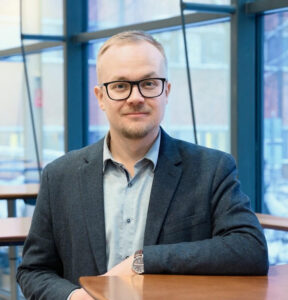
What Population-Based Real-World Data Reveal About Frontotemporal Dementia

Dr. Eino Solje

Population-based real-world data are reshaping how we understand FTD. This talk highlights novel evidence showing that sociodemographic factors and even premorbid behaviors, such as criminality, may precede clinical onset—opening new possibilities for earlier recognition of FTD.

Dr. Eino Solje is an Associate Professor (tenure track) of Clinical Research at the University of Eastern Finland, Director of the Brain Research Unit, and Chief Neurologist of the Memory Center at Kuopio University Hospital. His research focuses on frontotemporal dementia (FTD), with particular expertise in C9orf72-associated disease. He also leads the national DEGE-RWD early-onset dementia real-world project. He heads the Frontotemporal Lobar Degeneration and Early Onset Dementia research group and is actively involved in several international consortia, including GENFI and NIC-FTD.

Wednesday Apr 15, 2026

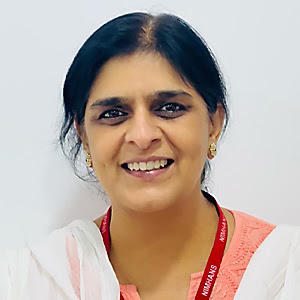
Frontotemporal Dementia: Priorities for clinical research in the Global South

Dr. Suvarna Alladi

Emerging research on Frontotemporal dementia has advanced our understanding of disease neurobiology and clinical manifestations across diverse contexts. This talk will focus on advances in diagnosing FTD across cultural, linguistic, educational, and ethnic contexts. Differences in clinical manifestations, complexity of genetic diagnosis and opportunities for research to fill these critical gaps will be discussed.

Thursday Apr 16, 2026

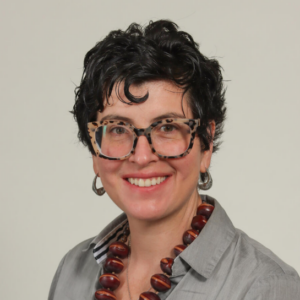
Navigating an Evolving FTD Landscape: Scientific Frontiers, Collaboration, and Career Choices for Early Investigators?

Dr. Lea Grinberg

 Dr. Gringberd is a neuropathologist (MD/PhD) with specialized training in clinical aspects of dementia and neuroanatomy. Her research focuses on neurodegenerative diseases, emphasizing their early, pre-symptomatic stages. After completing a residency in Pathology, she pursued a PhD in Neuropathology of Aging and Dementia, a research-oriented fellowship in Aging Neurology, and a post-doc in Neuroanatomy. She has a strong record of funding and publication, investigating neuropathological aspects of Alzheimer’s disease, tauopathies, and other age-related dementias, with a particular emphasis on early disease mechanisms, selective vulnerability, and deep phenotyping using histological and morphological methods. She founded and co-directed a prolific population-based brain bank specializing in age-related brain conditions in São Paulo, Brazil. I co-lead the UCSF/MAC Neuropathology Core and Neurodegenerative Disease Brain Bank within the UCSF Alzheimer’s Disease (AD) Research Center and lead the Neuropathological Core for the NIA-funded U01 LEADS project. Additionally, she directs a human validation core of an NINDS/U54 Center Without Walls for Tau Biology. Beyond her research, she conducts brain autopsies, provides diagnostic reports for neurodegenerative diseases, consults for extramural institutions, and actively participates in workgroups establishing diagnostic criteria for these conditions. She has a particular interest in tau deposition effects in the neuromodulatory subcortical system and have authored several papers on this topic. She is also the founder and first chair of the Neuromodulatory Subcortical Systems Professional Interest Area. In May 2025, she relocated with her whole lab to the Mayo clinics in Florida. She will also direct an initiative to modernize the Mayo’s Department of Neuroscience’s Brain Bank.